

Keywords
hesitancy
malaria
care givers
How to Cite
Abstract
Introduction :
In April 2022, Niger adopted the WHO recommendation on the introduction of malaria vaccine in children under five years of age. The objective of this study was to determine the reasons that may justify the rejection of the malaria vaccine by health care providers.
Method :
This was a descriptive cross-sectional study conducted from June 28 to August 15, 2022. Caregivers consenting to the study and working in the public and private health services of the city of Niamey were included. The data were collected anonymously, captured and analyzed by the Epi-info 7.2.2.6 software.
Results :
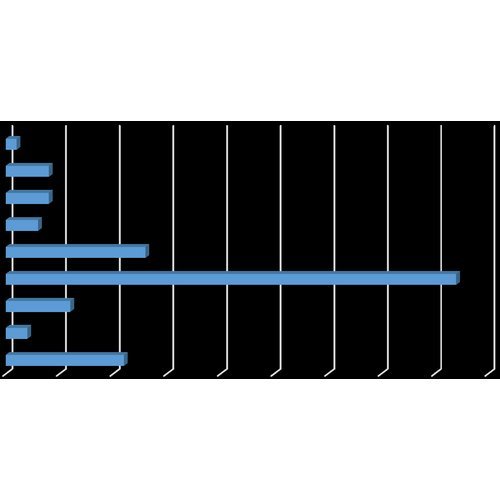
A total of 229 healthcare professionals agreed to participate in this study. Overall, 77.73% of respondents said they were confident that they would vaccinate their children against malaria. On the other hand, 4.8% of respondents said they were not going to vaccinate their child and 17.47% were undecided. The reasons given to justify the negative opinions about the malaria vaccine were mostly personal, including religion (21.56%) and especially doubt about the safety of the new vaccine (35.49%).
Conclusion :
The main reasons for rejection of the malaria vaccine by health workers were related to personal considerations and fear of side effects. This work reveals the need to intensify and improve the quality of vaccination education programs for health professionals.
References
1. Protopopoff N, Matowo J, Malima R, Kaya R, wright A, West A P et al. High level of resistance in the mosquito Anopheles gambiae to pyrethroid insecticides and reduced susceptibility to bendiocarb in northwesternTanzania. Malar J. 2013 ;12:149.
2. RTS,S Clinical Trials Partnership, Efficacy and safety of the RTS,S/AS01 malaria vaccine during 18 months after vaccination: a phase 3 randomized, controlled trial in children and young infants at 11 African sites. PLoS Med. 2014 Jul 29;11(7)
3. Asmar A, Farooq H, Aemaz Ur Rehman M. Introduction of the first antimalarial vaccine: A step towards Malaria eradication? J Pak Med Assoc. 2022 Oct;72(10):2129. doi: 10.47391/JPMA.5243.
4. WHO recommends groundbreaking malaria vaccine for children at risk. https://www.who.int/news/item/06-10-2021-who-recommends-groundbreakingmalaria-vaccine-for-children-at-risk (accessed 6 june 2022)
5. OMS. Le rapport sur le paludisme dans le monde 2019 en un clin d´œil. Accessed September. 2022 https://www.who.int/fr/newsroom/feature-stories/detail/world-malariareport-2019.
6. Yaqub O, Castle-Clarke S, Sevdalis N, Chataway J. Attitudes to vaccination: A critical review. Soc Sci Med. 2014;112:1-11.
7. Hotez PJ. Vaccine Preventable Disease and Vaccine Hesitancy. Med Clin North Am. 2023 Nov;107(6):979-987. 1. 8.The SAGE Working Group on Vaccine hesitancy. Report of the SAGE Working Group on Vaccine Hesitancy. Genève : OMS, 2014.
8. Kroke AM, Ruthig JC. Conspiracy beliefs and the impact on health behaviors. Appl Psychol Health Well Being. 2022;14(1):311-
9. Ahmad MB. Global Analysis of RTS, S/AS01 Malaria Vaccine Acceptance Rates and Influencing Factors: A Systematic Review. Cureus. 2024 May 20;16(5):e60678. doi:
10. 7759/cureus.60678. 10. Granier S, Brureau K, Breton J, Michaud C, Gaillet M, Agostini C, et al. Attitudes et intentions à l’égard du vaccin Covid-19 chez les professionnels de santé de Guyane. Bull Epidémiol Hebd. 2022;(Cov_14):2-9.
11. Kabir Sulaiman S, Isma'il Tsiga-Ahmed F, Sale Musa M, Kabir Sulaiman A, Muhammad Dayyab F, Ab Khan M, et al. Prevalence, determinants, and reasons for malaria vaccine hesitancy among caregivers of under-five children in Nigeria: Results from a nationwide cross-sectional survey. Vaccine. 2023 Feb 17;41(8):1503-1512.
12. Ojakaa DI, Jarvis JD, Mtilu IM, Thiam S: Acceptance of a malaria vaccine by caregivers of sick children in Kenya. Malar J 2014 ;13:172.
13. Savoia E, Masterson E, Olander DR, Anderson E, Mohamed Farah A, Pirrotta L. Determinants of Vaccine Hesitancy among African American and Black Individuals in the United States of America: A Systematic Literature Review. Vaccines (Basel). 2024 Mar 7;12(3):277. doi: 10.3390/vaccines12030277. PMID: 38543911; PMCID: PMC10974955.
14. Larson HJ, Jarrett C, Eckersberger E, Smith DM, Paterson P. Understanding vaccine hesitancy around vaccines and vaccination from a global perspective: a systematic review of published literature, 2007-2012. Vaccine. 2014 Apr 17;32(19):2150-9. doi: 10.1016/j.vaccine.2014.01.081. Epub 2014 Mar 2. PMID: 24598724.
15. Grabenstein JD. What the world's religions teach, applied to vaccines and immune globulins. Vaccine. 2013 Apr 12;31(16):2011-23. doi: 10.1016/j.vaccine.2013.02.026. Epub 2013 Feb 26. PMID: 23499565.
16. Pereira-Salgado A, Mader P, O'Callaghan C, Boyd L, Staples M. Religious leaders' perceptions of advance care planning: a secondary analysis of interviews with Buddhist, Christian, Hindu, Islamic, Jewish, Sikh and Bahá'í leaders. BMC Palliat Care. 2017 Dec 28;16(1):79. doi: 10.1186/s12904-
17. 0239-3. PMID: 29282112; PMCID: PMC5745626. 2. 18.Yaqub O, Castle-Clarke S, Sevdalis N, Chataway J. Attitudes to vaccination: a critical review. Soc Sci Med. 2014 Jul;112:1-11. doi: 10.1016/j.socscimed.2014.04.018. Epub 2014 Apr 16. PMID: 24788111. 20. Guerra Mendoza Y, Garric E, Leach A, Lievens M, Ofori-Anyinam O, Pirçon JY et al. Safety profile of the RTS,S/AS01 malaria vaccine in infants and children: additional data from a phase III randomized controlled trial in sub-Saharan Africa. Hum Vaccin Immunother. 2019;15(10):2386-2398. doi: 10.1080/21645515.2019.1586040. Epub 2019 Apr 23. PMID: 31012786; PMCID: PMC6816384. 21. Danso SE, Frimpong A, Seneadza NAH, Ofori MF. Knowledge, attitudes, and practices of caregivers on childhood immunization in Okaikoi sub-metro of Accra, Ghana. Front Public Health. 2023 Sep 15;11:1230492. doi: 10.3389/fpubh.2023.1230492. PMID: 37780451; PMCID: PMC10540614. 22. Baklouti M, Ayed HB, Maamri H, Masmoudi I, Ketata N, Yaich S, Jdidi J, Kassis M, Feki H, Dammak J. Connaissances, attitudes et des pratiques des professionnels de santé vis-à-vis de la vaccination contre la COVID-19. Médecine et Maladies Infectieuses Formation. 2022 Jun;1(2):S122. French. doi: 10.1016/j.mmifmc.2022.03.264. Epub 2022 May 31. PMCID: PMC9152491. 23. Wiysonge CS, Uthman OA, Ndumbe PM, Hussey GD (2012) Individual and Contextual Factors Associated with Low Childhood Immunisation Coverage in SubSaharan Africa: A Multilevel Analysis. PLoS ONE 7(5): e37905. 24. Ketter F, Trefois P, Miermans M, Vanmeerbeek M, Giet D, les réticences à la vaccination : approche du phenomene à travers les données de la littérature , Rev Med Liège 2013 ;68 :2 :74-78 25. Cinelli M, Quattrociocchi W, Galeazzi A, Valensise CM ; Brugnoli E, schmidt LA et al. The COVID-19 social media infodemic. Sci. Rep.2020 ;10(1) :16598. 26. Usman HR, Rahbar MH, Kristensen S, Vermund SH, Kirby RS, Habib F et al. Randomized controlled trial to improve childhood immunization adherence in rural Pakistan: redesigned immunization card and maternal education. Trop Med Int Health 2011, 16:334–342.
Metrics
Downloads

This work is licensed under a Creative Commons Attribution 4.0 International License.
Copyright (c) 2026 M Adamou, Z Abdoulaye, A Abassi, A Moussa