

Keywords
thromboembolic
hemorrhagic
cardiac surgery
sub-Saharan Africa
How to Cite
Abstract
Background :
Patients with Mechanical Heart Valves (MHVs) on oral anticoagulation (OAC) have an increased risk of bleeding and thromboembolic complications. The purpose of this study is to analyze the clinical and evolutive characteristics of patients underwent mechanical valve replacement (MVR) with thromboembolic (TE) or hemorrhagic events in OAC.
Patients and methods :
We made a retrospective study between November 2020 to December 2022 on 6 patients with TE and hemorrhagic complications, operated on for MVR at the Shisong Cardiac Center. Clinical patterns, paraclinical data and surgical outcomes were reviewed and descriptive statistical analysis done.
Results :
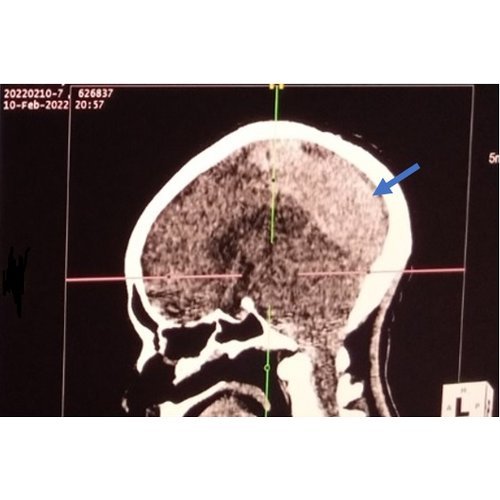
A total of 39 patients underwent valve replacement with MHVs during the study period. Of these, 6 patients had a thromboembolic and/or hemorrhagic complication, representing a frequency of 15.4%. The median age at surgery was 29 years (IQR 17-31). The OAC was acenocoumarolo and the median daily dose was 4 mg (IQR 3.3-4.0). The median of international normalized ratio (INR) at discharge was 3.5 (IQR 3.00-4.15). The median time between discharge and the TE or hemorrhagic event occurred was 2.5 months (IQR 1.25-3.75). Neurological deficit and altered consciousness were the reasons for admission to the emergency room for 100% of the cases. Major hemorrhagic and TE complications occurred in 5 patients (83.3%) and 1 patient (16.7%), respectively. On admission, the INR values collected were above the target ranges for 5 (83.3%) patients and these died from intracranial hemorrhage during hospitalization.
Conclusions :
This study shows the poorly anticoagulation control in young patients with MHVs in a developing country. Improving the care of patients with mechanical valves, remains an essential concern in the follow up and necessary to reduce the burden of complications in this population.
References
1. Organisation Mondiale de la Santé: La cardiopathie rhumatismale. CONSEIL EXÉCUTIF EB141/4 Cent quarante et unième session 1er mai 2017 Point 6.2 de l’ordre du jour provisoire. https://iris.who.int/bitstream/handle/10665/2 73670/B141_4_fr.pdf?sequence=1&isAllowed =y.
2. Dunning J, Gao H, Chambers J, Moat N, Murphy G, Pagano D, et al. Aortic valve surgery: Marked increases in volume and significant decreases in mechanical valve usean analysis of 41,227 patients over 5 years from the Society for Cardiothoracic Surgery in Great Britain and Ireland National database Acquired Cardiovascul. J Thorac Cardiovascular Surgery. 2011; 142:776–82.
3. Head SJ, Kappetein AP. Aortic valve replacement in younger adults: a biological valve is not the logical choice. European heart journal. 2016 Sep 7;37(34):2668-70.
4. Goldstone AB, Chiu P, Baiocchi M, Lingala B, Patrick WL, Fischbein MP, et al. Mechanical or Biologic Prostheses for Aortic-Valve and Mitral-Valve Replacement. N Engl J Med. 2017 Nov 11; 377(19):1847.
5. Hering D, Piper C, Bergemann R, Hillenbach C, Dahm M, Huth C, et al. Thromboembolic and bleeding complications following St. Jude Medical valve replacement: results of the German Experience With Low-Intensity Anticoagulation Study. Chest. 2005; 127(1):53–9.
6. Labaf A, Svensson PJ, Renlund H, Jeppsson A, Själander A. Incidence and risk factors for thromboembolism and major bleeding in patients with mechanical valve prosthesis: A nationwide population-based study. Am Heart J. 2016 Nov 1; 181:1–9.
7. Cannegieter SC, Rosendaal FR, Briët E. Thromboembolic and bleeding complications in patients with mechanical heart valve prostheses. Circulation. 1994; 89(2):635–41.
8. Schulman S, Kearon C. Definition of major bleeding in clinical investigations of antihemostatic medicinal products in nonsurgical patients. J Thromb Haemost. 2005 Apr; 3(4):692–4.
9. Huang JT, Chan YH, Wu VCC, Cheng YT, Chen DY, Lin CP, et al. Analysis of Anticoagulation Therapy and Anticoagulation-Related Outcomes Among Asian Patients After Mechanical Valve Replacement. JAMA Netw Open. 2022 Feb 1;5(2): e2146026.
10. Rusingiza EK, El-Khatib Z, Hedt-Gauthier B, Ngoga G, Dusabeyezu S, Tapela N, et al. Outcomes for patients with rheumatic heart disease after cardiac surgery followed at rural district hospitals in Rwanda. Heart. 2018;104(20):1707–13.
11. Hirsh J, Anand SS, Halperin JL, Fuster V. AHA Scientific Statement: Guide to anticoagulant therapy: heparin: a statement for healthcare professionals from the American Heart Association. Circulation . 2001;103:2995–3019.
12. Schulman S, Beyth RJ, Kearon C, Levine MN. Hemorrhagic complications of anticoagulant and thrombolytic treatment: American College of Chest Physicians Evidence-Based Clinical Practice Guidelines (8th Edition). Chest Journal. 2008 Jun;(6 Suppl):257S-298S.
13. Writing Committee Members, Otto CM, Nishimura RA, Bonow RO, Carabello BA, Erwin JP, et al. 2020 ACC/AHA Guideline for the Management of Patients With Valvular Heart Disease: Executive Summary: A Report of the American College of Cardiology/American Heart Association Joint Committee on Clinical Practice Guidelines. J Am Coll Cardiol. 2021 Feb 2; 77(4):450–500.
14. Levine MN, Hirsh J, Landefeld S, Raskob G. Hemorrhagic complications of anticoagulant treatment. Chest [Internet]. 1992 Oct 1; 102(4 SUPPL.):352S-363S. Available from: http://journal.chestnet.org/article/S001236921 5413327/fulltext
15. Stein PD, Alpert JS, Copeland J, Dalen JE, Goldman S, Turpie AGG. Antithrombotic Therapy in Patients With Mechanical and Biological Prosthetic Heart Valves. Chest. 1992 Oct 1;102(4):445S-455S.
16. Chan V, Jamieson WRE, Lam BK, Ruel M, Ling H, Fradet G, et al. Influence of the On-X mechanical prosthesis on intermediate-term major thromboembolism and hemorrhage: A prospective multicenter study. J Thorac Cardiovasc Surg. 2010;140(5):1053–8.
17. Hanslik T, Prinseau J. The use of vitamin K in patients on anticoagulant therapy: a practical guide. Am J Cardiovasc Drugs. 2004;4(1):43–55.
18. Huda SA, Kahlown S, Jilani MH, Chaudhuri D. Management of Life-Threatening Bleeding in Patients With Mechanical Heart Valves. Cureus. 2021;13(6):e15619.
19. Hart RG, Boop BS, Anderson DC. Oral Anticoagulants and Intracranial Hemorrhage. Facts and Hypotheses. Stroke. 1995 Aug 1;26(8):1471–7.
Metrics
Downloads

This work is licensed under a Creative Commons Attribution 4.0 International License.
Copyright (c) 2026 L Ngo Yon, C Mve Mvondo, H Tsague Kengni, Z Kobe, S M’baye Salissou, W Ngatchou Djomo, M Ngowe Ngowe